
These examples show TorchLean at work on real machine-learning problems: training models, differentiating tensor programs, moving weights through PyTorch, and checking numerical or verification claims in Lean. Open an example for the runnable code and the theorem or contract behind it.
Featured Examples
 Graph IR and Bounds
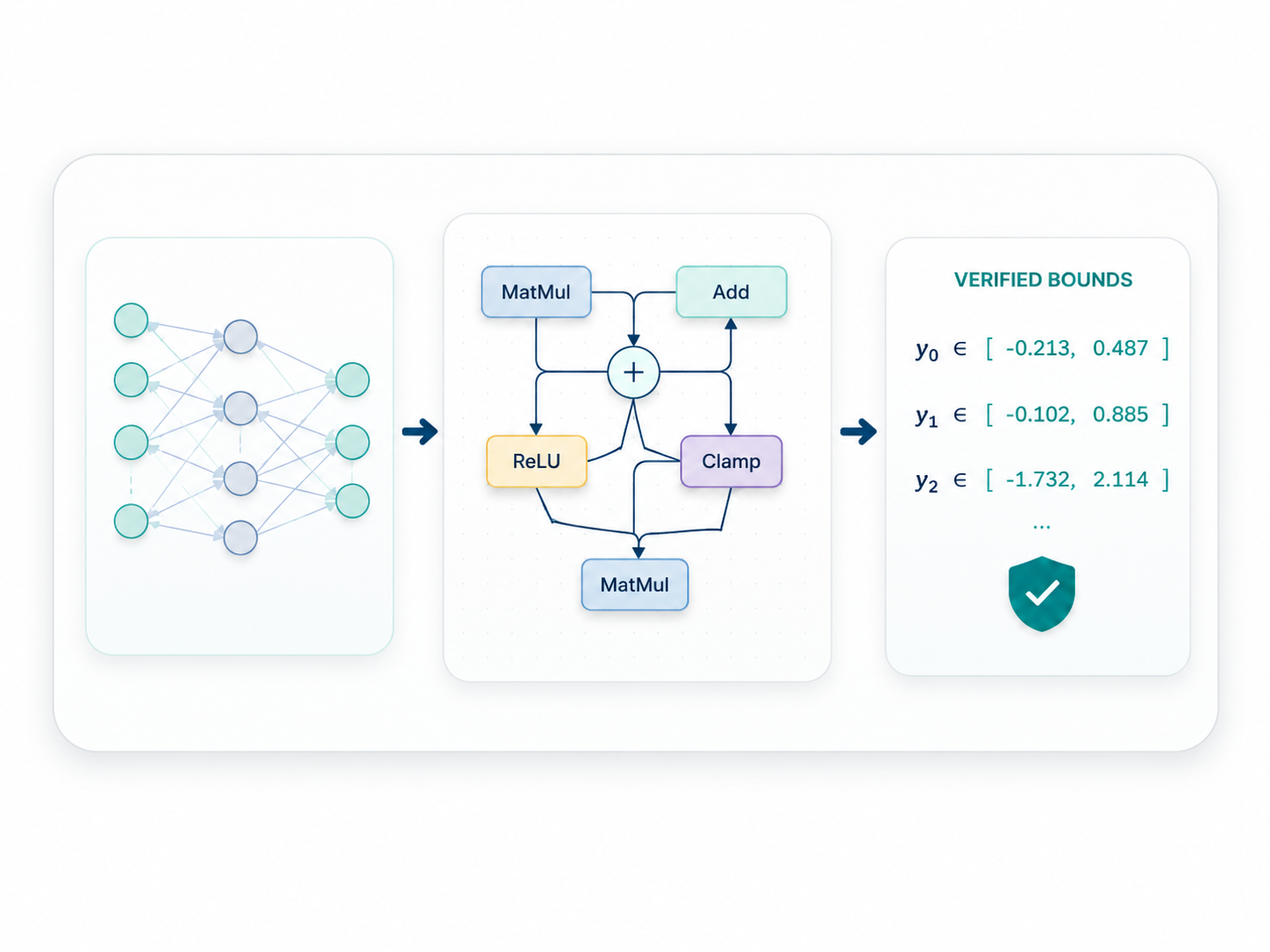
Follow a small model as it becomes a graph with named operations, then use that graph for shape checks, execution traces, and interval bounds.
Open guide page
Graph IR and Bounds
Follow a small model as it becomes a graph with named operations, then use that graph for shape checks, execution traces, and interval bounds.
Open guide page
 Autograd Basics
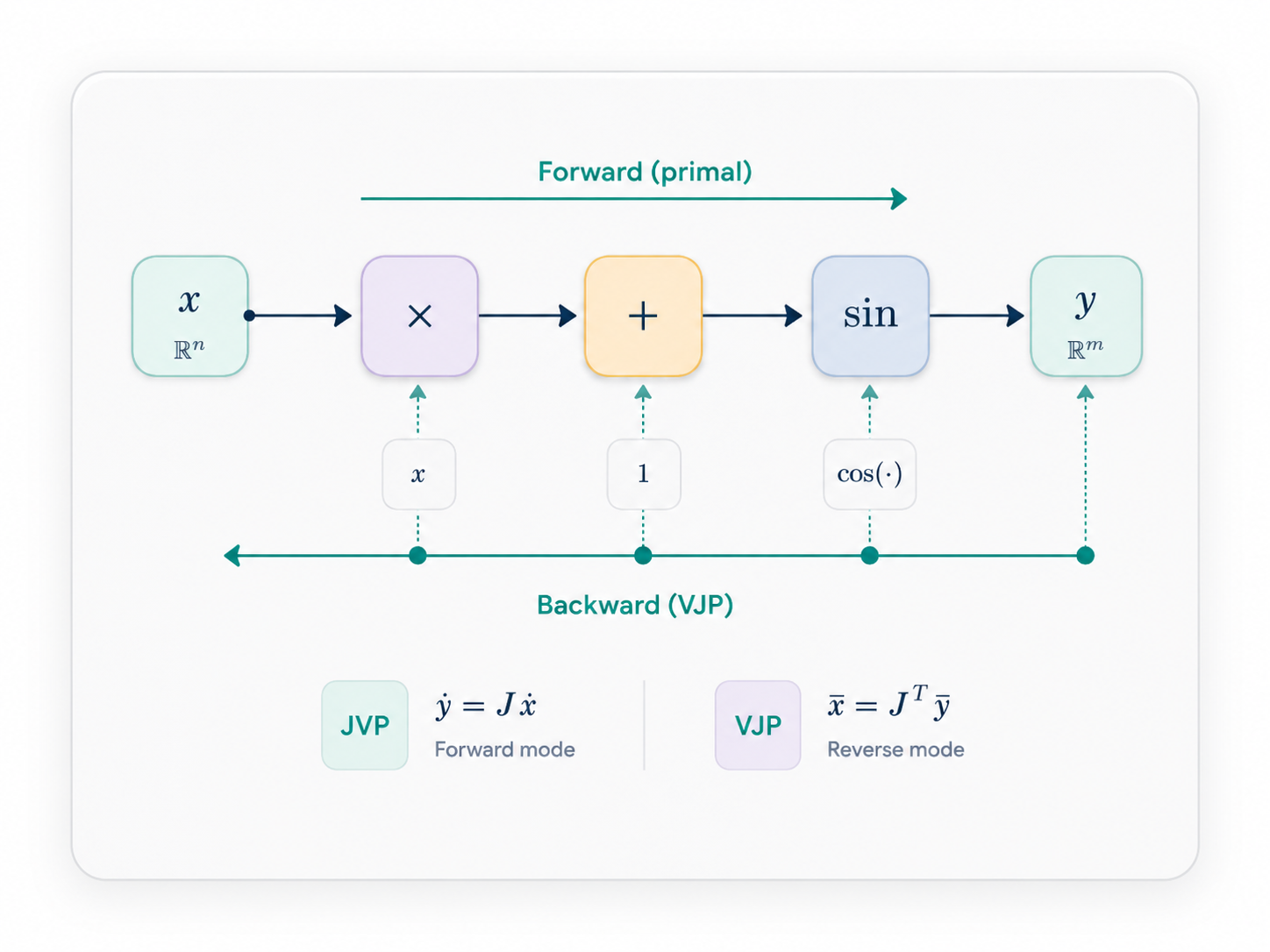
Compute gradients for small tensor functions, then inspect the tape and VJP objects that make reverse mode explicit.
Open guide page
Autograd Basics
Compute gradients for small tensor functions, then inspect the tape and VJP objects that make reverse mode explicit.
Open guide page
 Supervised Training
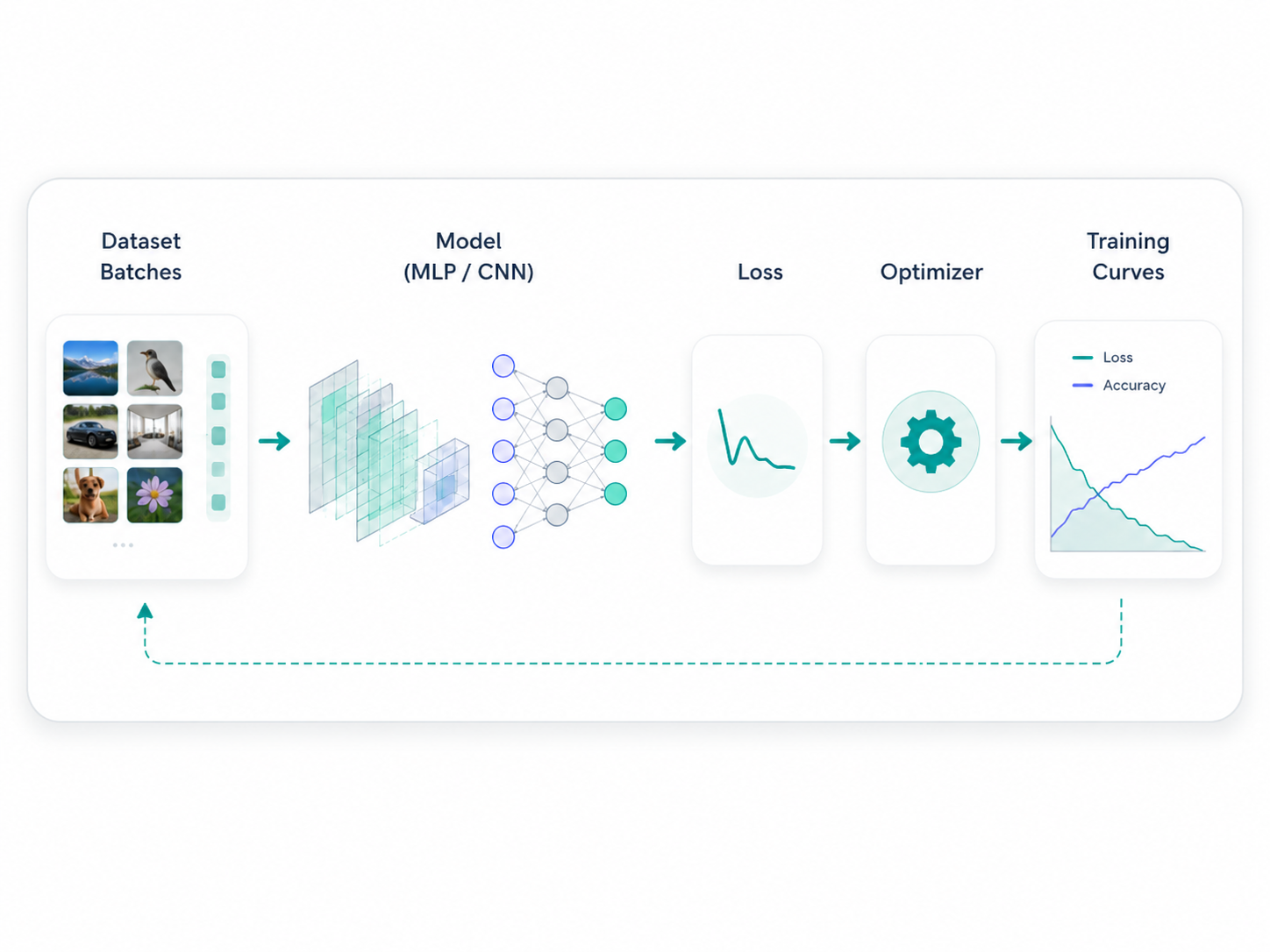
Instantiate supervised models, build loaders, fit for multiple epochs or fixed steps, and save loss curves from the same Lean runner.
Open training guide
Supervised Training
Instantiate supervised models, build loaders, fit for multiple epochs or fixed steps, and save loss curves from the same Lean runner.
Open training guide
 Diffusion
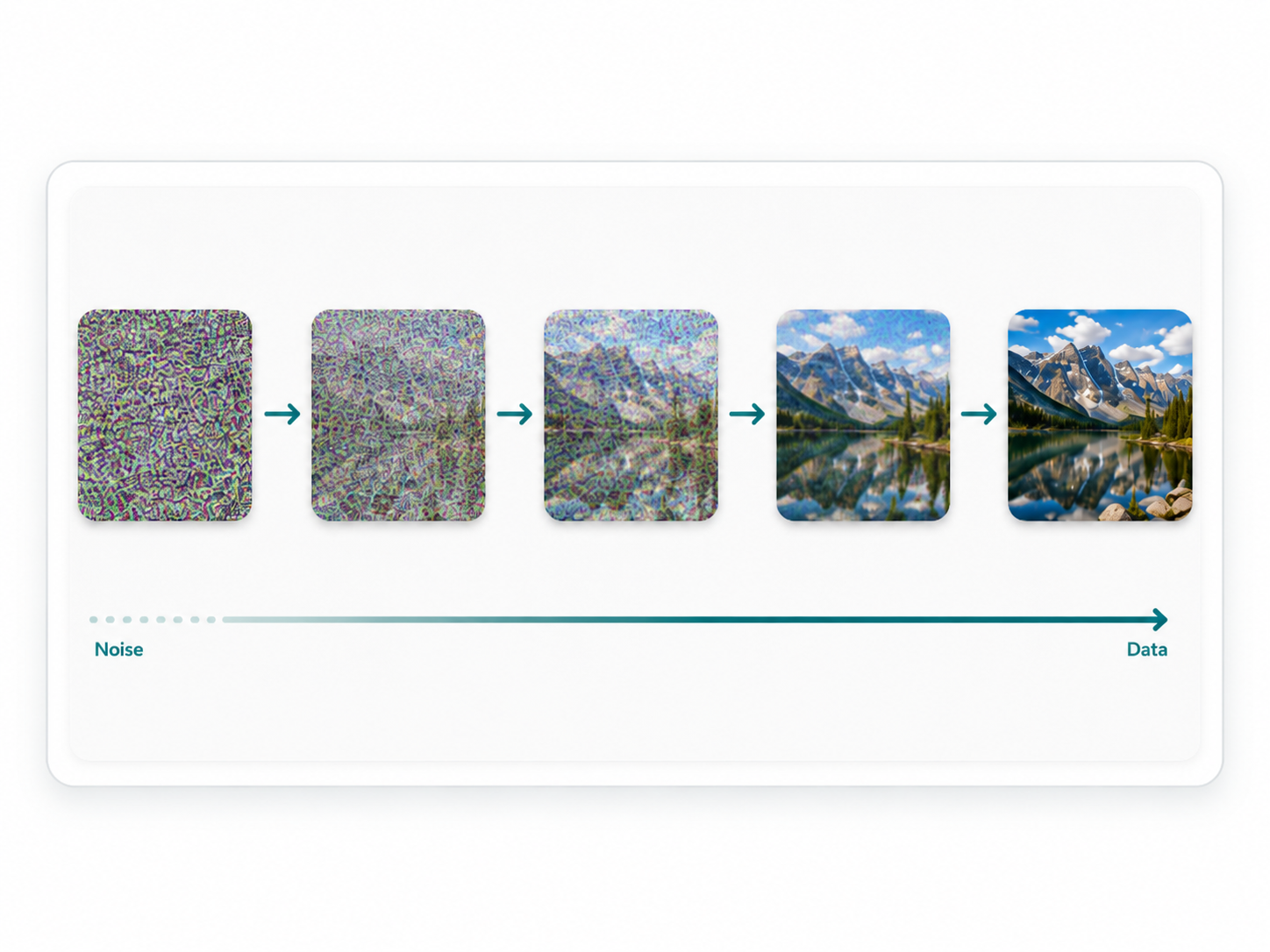
Train a small denoiser, run deterministic DDIM sampling, and inspect both the generated images and the saved loss log.
Open diffusion walkthrough
Diffusion
Train a small denoiser, run deterministic DDIM sampling, and inspect both the generated images and the saved loss log.
Open diffusion walkthrough
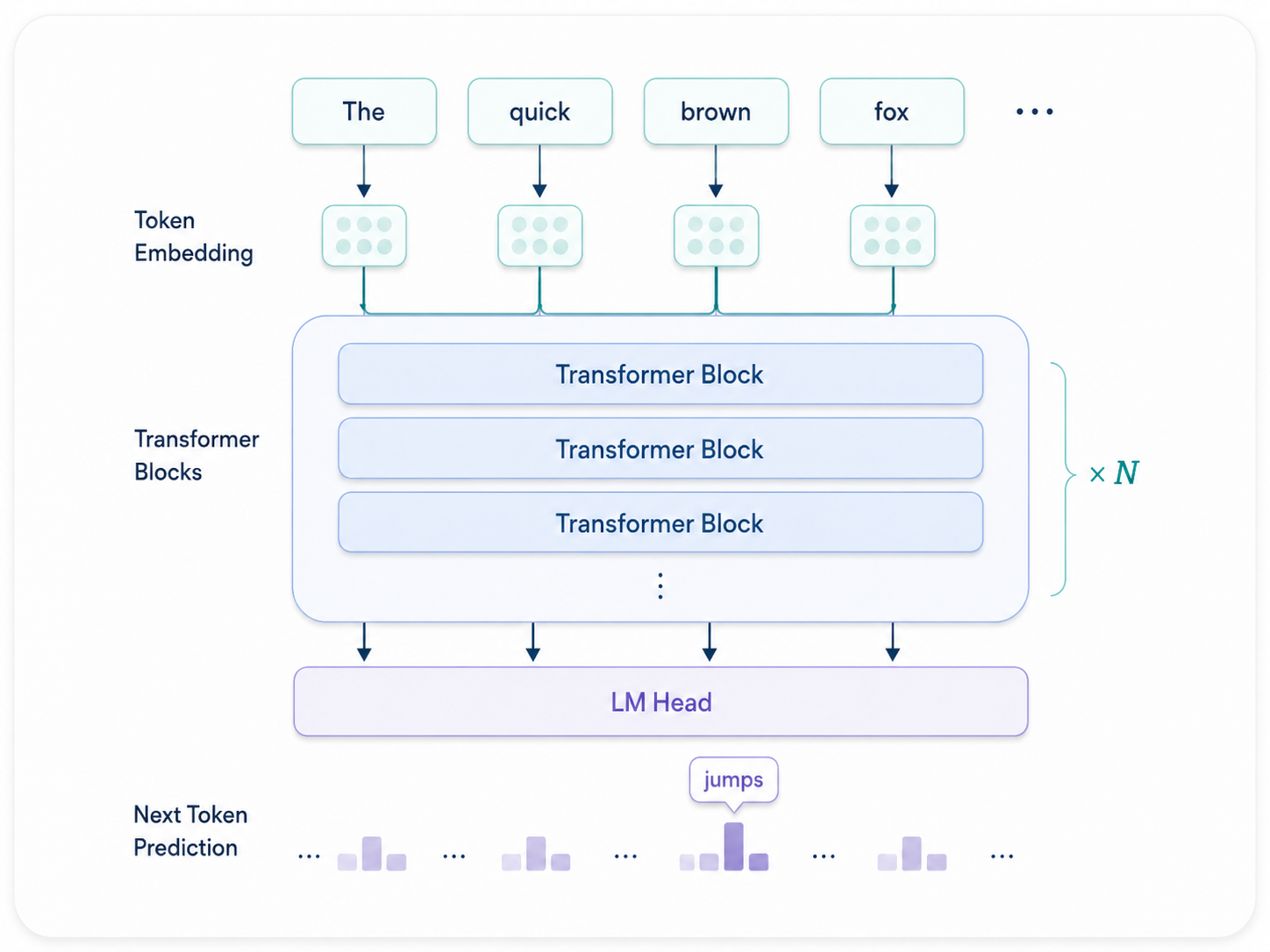 GPT-Style Text
Tokenize bytes, build next-token examples, train a small causal transformer, save a checkpoint, and sample continuations.
Open text walkthrough
GPT-Style Text
Tokenize bytes, build next-token examples, train a small causal transformer, save a checkpoint, and sample continuations.
Open text walkthrough
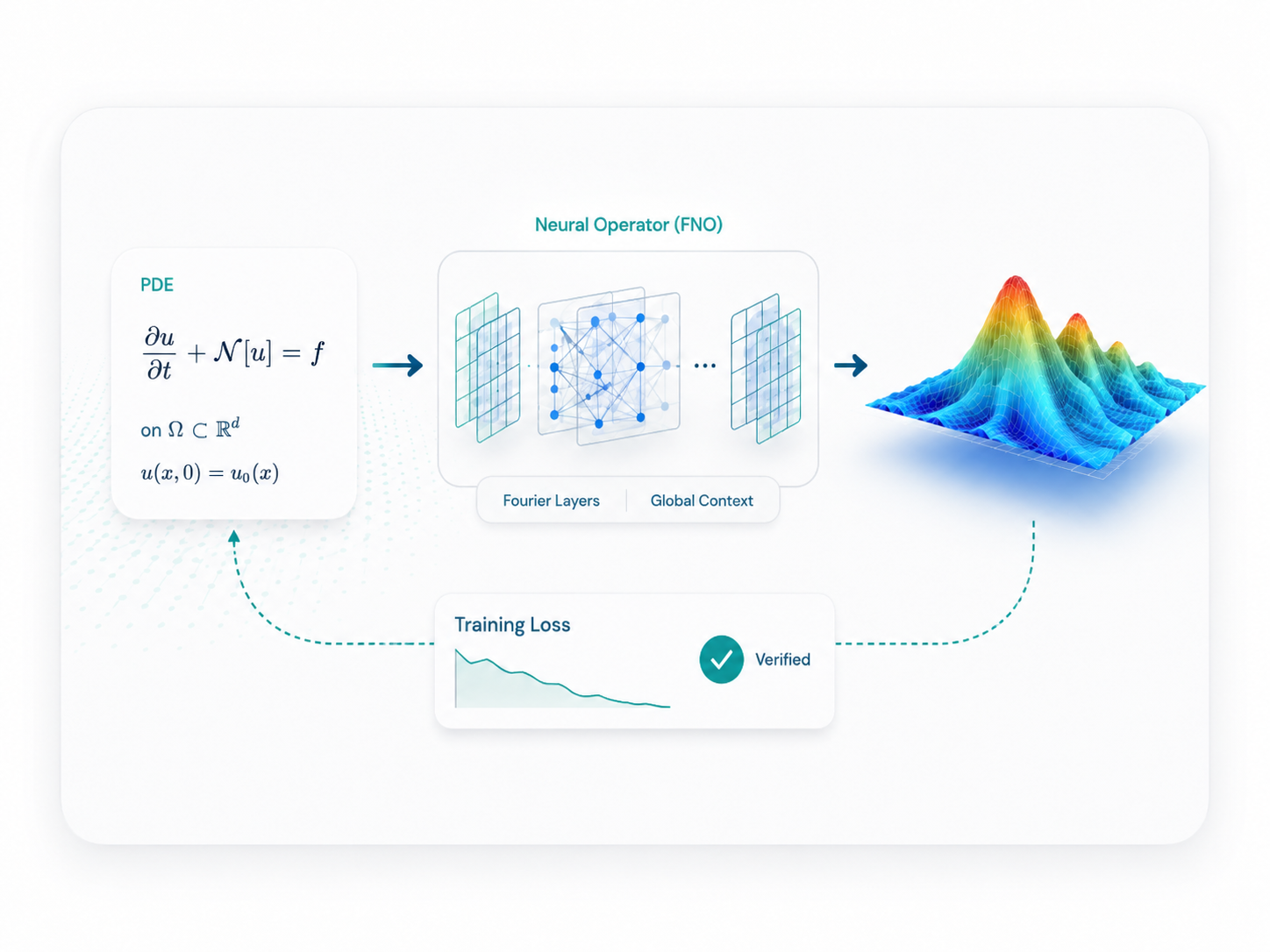 Scientific ML
Prepare the Burgers dataset, train a 1D Fourier neural operator, export prediction artifacts, and connect PDE residual checks to Lean.
Open scientific ML pipeline
Scientific ML
Prepare the Burgers dataset, train a 1D Fourier neural operator, export prediction artifacts, and connect PDE residual checks to Lean.
Open scientific ML pipeline
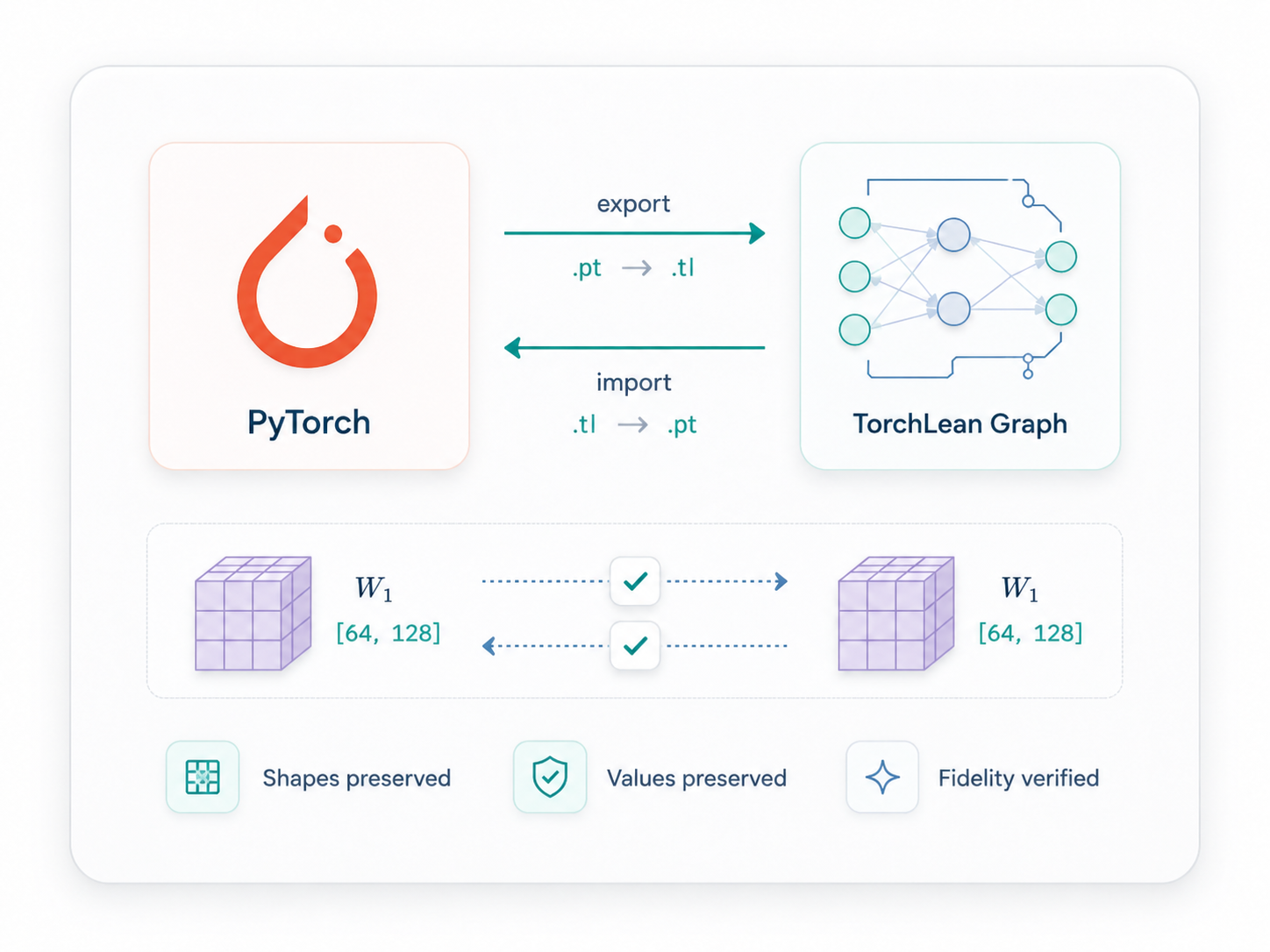 PyTorch Round Trip
Move weights across the Python boundary while keeping tensor shapes, parameter packs, and import checks visible.
Open interop guide
PyTorch Round Trip
Move weights across the Python boundary while keeping tensor shapes, parameter packs, and import checks visible.
Open interop guide
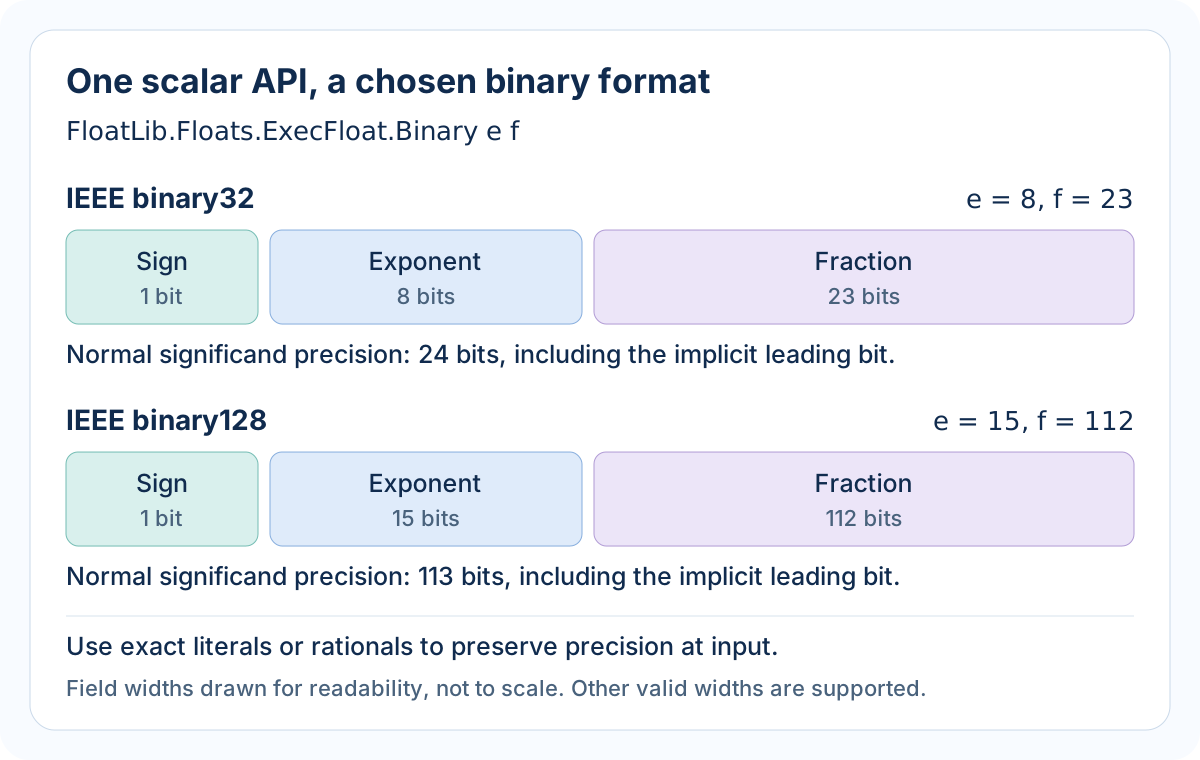 Floating-Point Formats and Proofs
Compare FloatLib's executable binary arithmetic with rounded
Floating-Point Formats and Proofs
Compare FloatLib's executable binary arithmetic with rounded FP32 models and TorchLean's proofs of agreement with Lean's logical Float32 operations.
Open floating-point guide
Numerical Runtime Certificates
Run a two-layer MLP through operation coverage, interval propagation, backend-capsule audit, and bit-level binary32 replay.
Open the complete run
 Reinforcement Learning
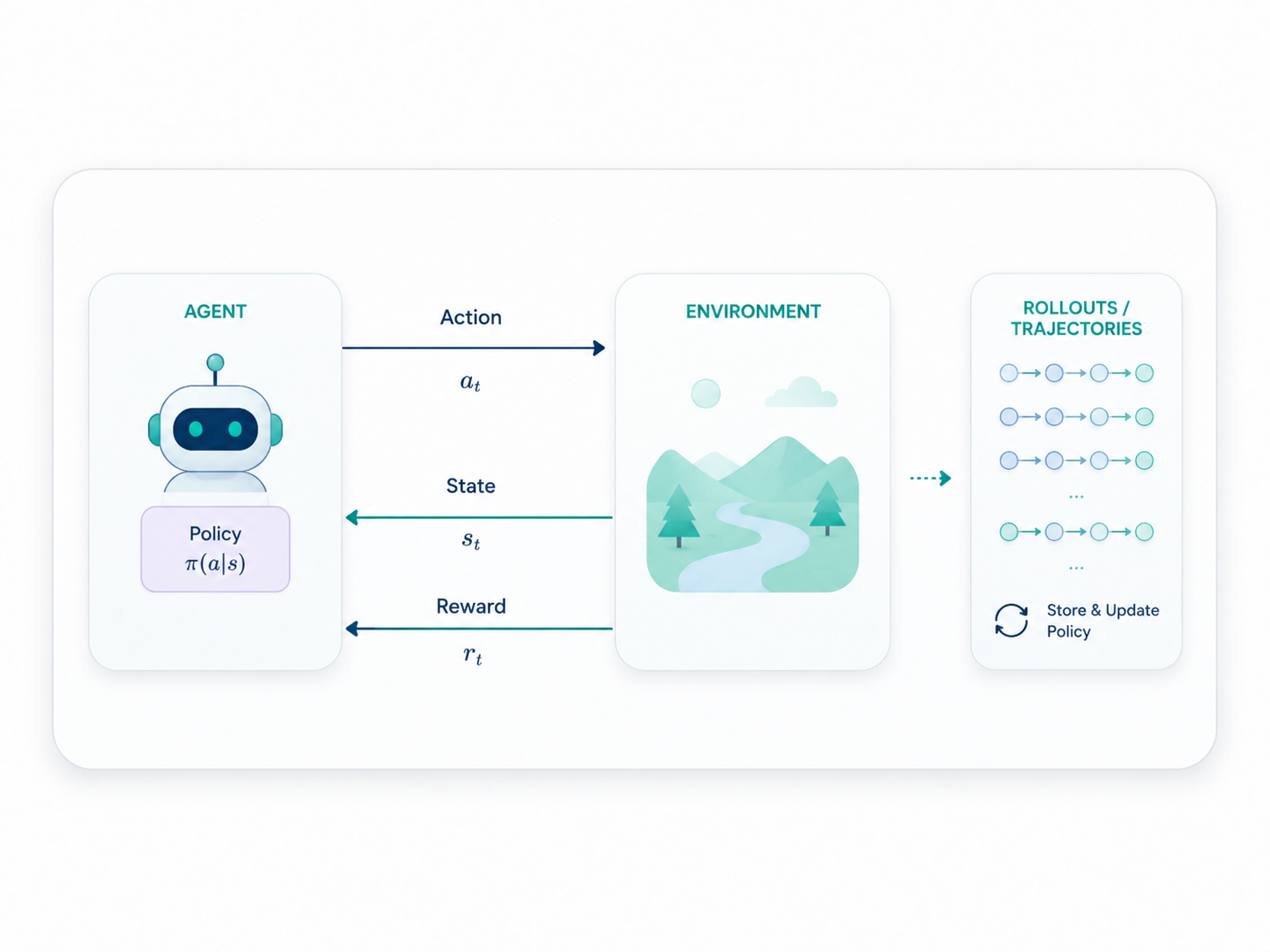
Run PPO on Lean-native and Gymnasium environments, then inspect the rollout, reward, and policy artifacts that enter training.
Open RL guide
Reinforcement Learning
Run PPO on Lean-native and Gymnasium environments, then inspect the rollout, reward, and policy artifacts that enter training.
Open RL guide
 Bug Zoo
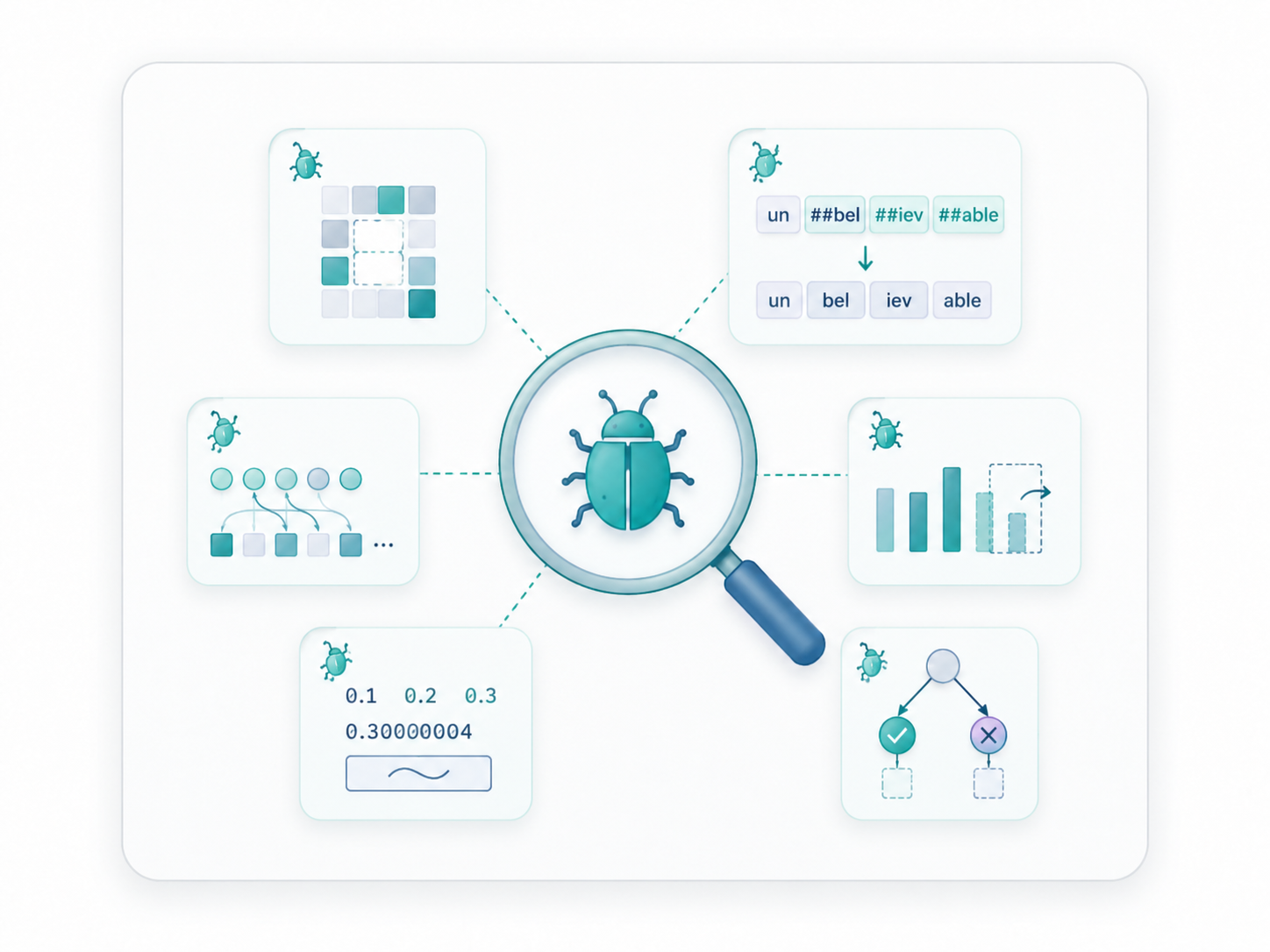
See how common ML bugs become small Lean contracts: causal masks, KV caches, token ids, normalization state, batching, and Float32 behavior.
Open Bug Zoo walkthrough
Bug Zoo
See how common ML bugs become small Lean contracts: causal masks, KV caches, token ids, normalization state, batching, and Float32 behavior.
Open Bug Zoo walkthrough
 3D Vision Certificates
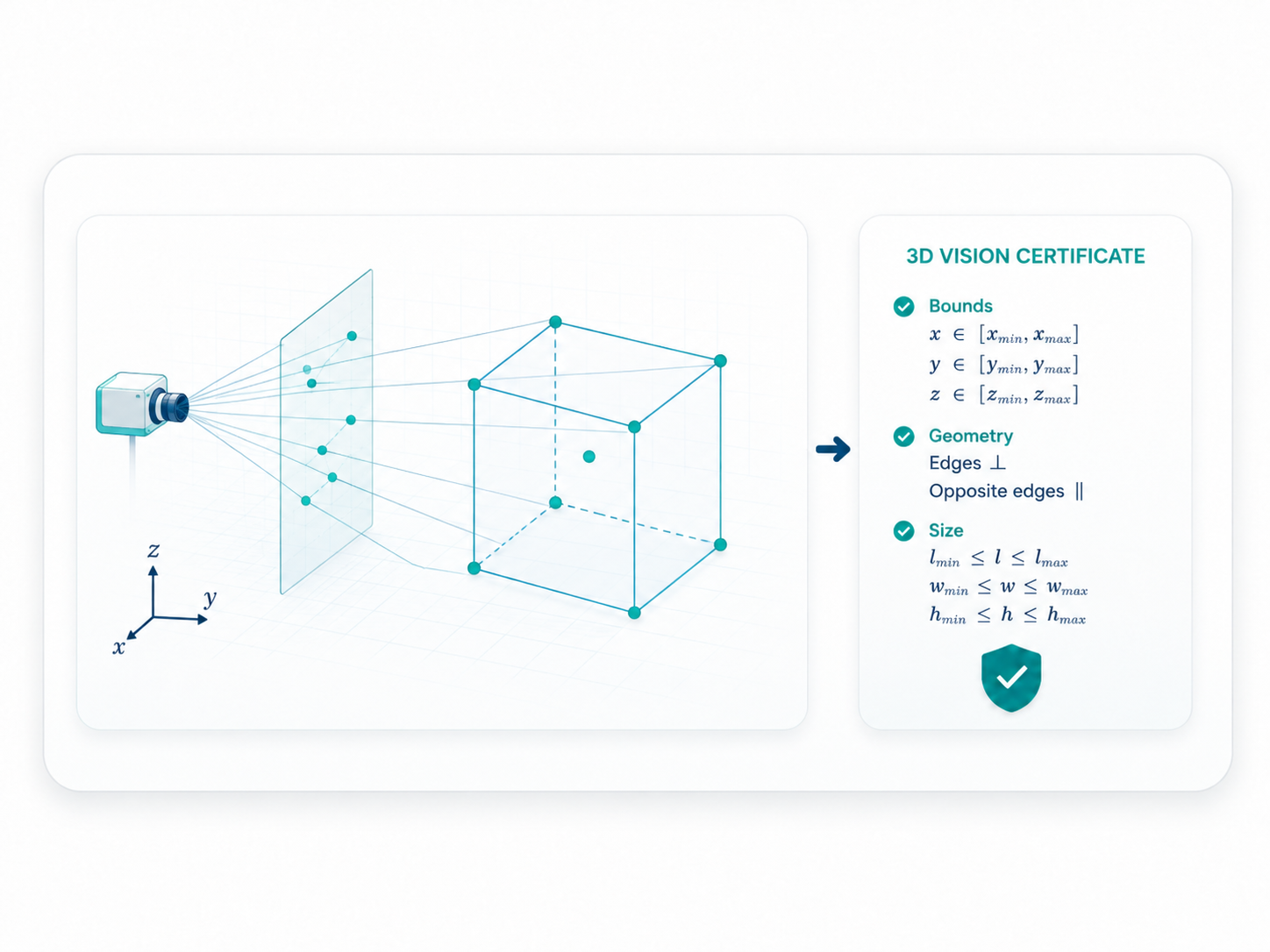
Export camera and box tensors from a detector, recompute projection in Lean, and reject boxes that do not enclose projected corners.
Open 3D vision tutorial
3D Vision Certificates
Export camera and box tensors from a detector, recompute projection in Lean, and reject boxes that do not enclose projected corners.
Open 3D vision tutorial
 IBP and CROWN Verification
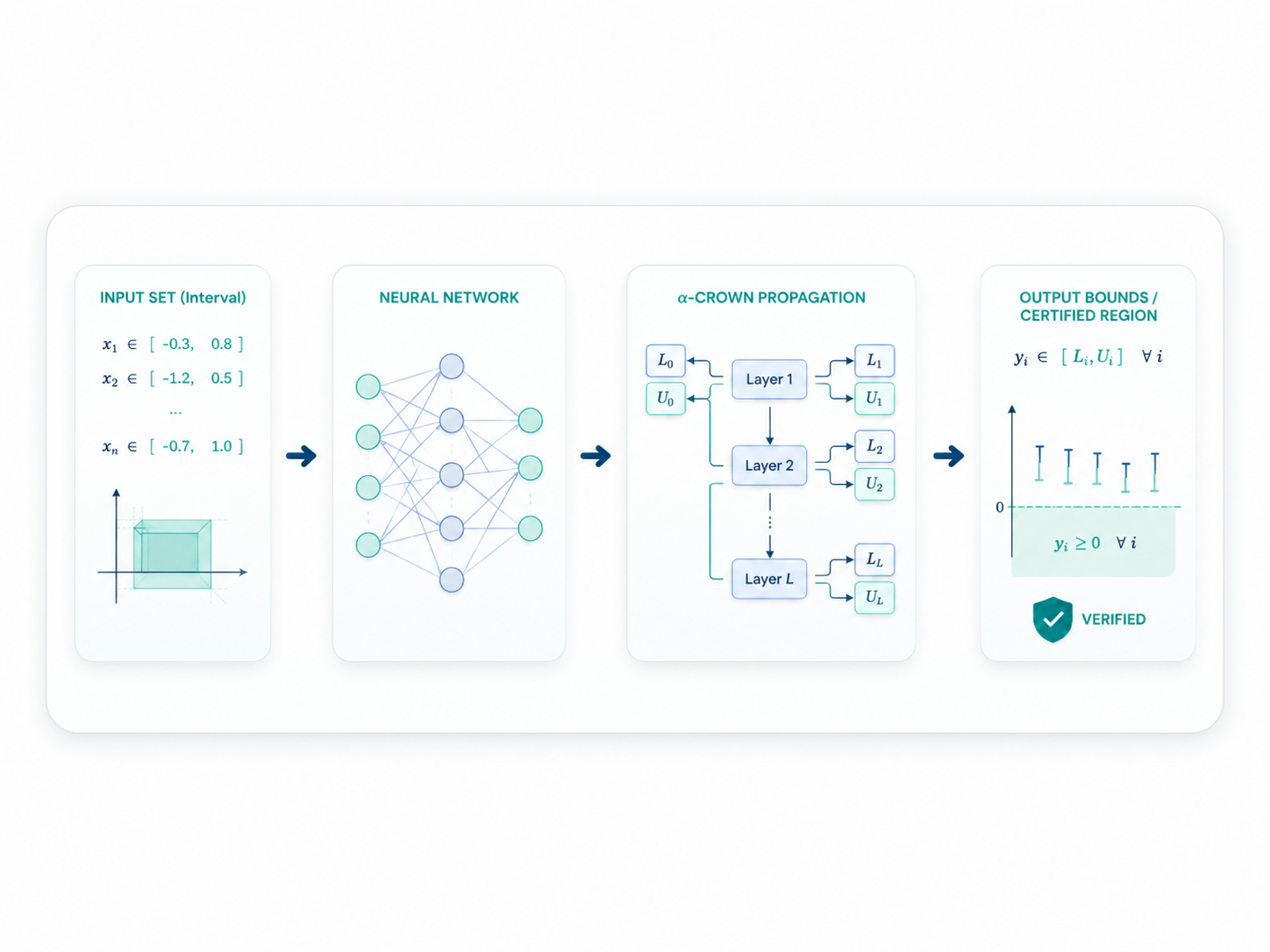
Attach input boxes to an IR graph, propagate interval or affine bounds, and check small external certificates through Lean. PINN examples use the same artifact-first style.
Open verification tutorial
IBP and CROWN Verification
Attach input boxes to an IR graph, propagate interval or affine bounds, and check small external certificates through Lean. PINN examples use the same artifact-first style.
Open verification tutorial